Paul Ryan predicted Monday that the country would face economic calamity if President Barack Obama is re-elected president.
“It is not too late to turn this around,” the Wisconsin congressman told several hundred cheering people gathered at the Embassy Suites in Des Moines. “We can fix this. We can get this done. If we put the right ideas in place, if we elect the right leaders, we can do this.”
Ryan, the Republican vice presidential nominee, said he and presidential candidate Mitt Romney can help the country avoid the recession-laden fate of European nations.
The president’s path, he said, would bring “more borrowing, more taxing, more spending, more regulating, more money-printing, then we will have more of the same.”
The speech’s emphasis on trimming spending and the nation’s $16 trillion debt echoes the themes Ryan has sounded in Congress as a leading fiscal hawk and architect of the budget proposals passed by the Republican-majority U.S. House.
Ryan had been scheduled to speak outside at the picturesque Simon Estes Amphitheater. But an afternoon downpour quashed those plans, and the event was moved into a ballroom at the nearby hotel. The campaign estimated about 600 people braved the weather and filled the ballroom.
“Boy, we could have used this rain a couple of months ago,” Ryan joked.
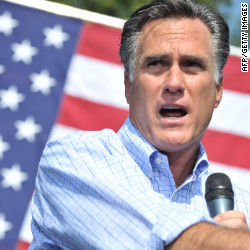
The congressman stood onstage before a huge American flag and a banner reading: “Romney plan for a stronger middle class.”
Members of the audience waved red-white-and-blue pompons and interjected comments as the congressman spoke.
“No hope, no change!” one man shouted as Ryan referred to Obama.
“He went golfing,” another shouted about how Obama spends his time.
Then, as Ryan extolled Romney’s service as Massachusetts governor, someone shouted “Romneycare” as a reminder of the universal health insurance plan that the Republican campaign rarely mentions. Ryan rolled on past that interjection without commenting.
Afterward, Obama spokesman Danny Kanner criticized the speech for lacking details. “Congressman Ryan took his running mate’s lead in Iowa today and provided zero specific ideas to grow our economy or strengthen the middle class,” Kanner said in an email to reporters.
It was Ryan’s third trip to Iowa since becoming the GOP vice presidential nominee. In August, he spoke at The Des Moines Register’s soapbox at the Iowa State Fair. On Sept. 5, he visited Cedar Rapids and Adel to ask voters whether they were “better off” than four years ago.
On Monday, Ryan repeatedly touted his Midwestern ties to his audience.
He noted that he’s from Janesville, a southern Wisconsin town an hour and a half from Dubuque, and he added that his mother-in-law was from the eastern Iowa town of Clinton.
He praised Iowans’ frugality and common sense.
“Iowa, you have the lowest average credit card debts in the nation,” he said. “People of Iowa live within their means.”
Ryan mocked the way Obama once described Midwestern conservatives during the 2008 campaign when he was talking privately to campaign donors.
“He said people like us, people from the Midwest, they like to cling to their guns and their religion. I’ve got to tell you, this Catholic deer hunter is guilty as charged, and proud of it,” he said to whoops and a wave of applause from his fans.
He noted that early voting starts soon in Iowa (Sept. 27), and polls show Iowa is one of the most closely fought states in the campaign.
“We have a very big decision to make, and a handful of states will decide this,” he said. “And Iowans, just like Wisconsinites, we could very well determine how this all goes.”
Tuesday, September 18, 2012
Romney Calls 47% of Voters Dependent
WASHINGTON — During a private reception with wealthy donors this year, Mitt Romney described almost half of Americans as “people who pay no income tax ” and are “dependent upon government.” Those voters, he said, would probably support President Obama because they believe they are “victims” who are “entitled to health care, to food, to housing, to you name it.”
In a brief and hastily called news conference Monday just after 10 p.m., Mr. Romney acknowledged having made the blunt political and cultural assessment, saying it was “not elegantly stated,” but he stood by the substance of the remarks, insisting that he had made similar observations in public without generating controversy.
The video of Mr. Romney, the Republican presidential candidate, was made in May, offering a rare glimpse of his personal views. Mr. Romney told reporters that he had been “speaking off the cuff in response to a question” at the fund-raiser, and said he wanted “to help all Americans — all Americans — have a bright, prosperous future.”
Democrats quickly condemned the remarks as insensitive, and Mr. Obama’s campaign accused Mr. Romney of having “disdainfully written off half the nation.”
The video surfaced as the campaign enters its final 50 days and as Mr. Romney sought to restart his campaign with new ads and new messaging, in response to calls in his campaign and from outside for him to be more specific about how his policies would fix the nation’s economy and help the middle class.
Now, the video has raised the possibility that Mr. Romney’s campaign will be sidetracked, with attention focused again on his proposed tax cuts for the wealthy, the release of his personal tax returns and his ability to connect with middle-class voters. With its unvarnished language, the video seems to undermine what aides have argued is an enduring attribute that would appeal to independent voters: a sense that Mr. Romney is, at base, an empathetic and caring man.
Snippets of the video of Mr. Romney were posted online Monday afternoon by Mother Jones, a liberal magazine, which said it had obtained the recording and had confirmed its authenticity. The magazine said it was concealing the identity of the person who had recorded the video and the location and time of the recording.
The author of the Mother Jones article, David Corn, said on MSNBC that the video was shot on May 17 at the Boca Raton , Fla., home of Marc Leder, a financier, who held a $50,000-a-person fund-raiser for Mr. Romney that night.
In one clip, Mr. Romney describes how his campaign would not try to appeal to “47 percent of the people” who will vote for Mr. Obama “no matter what.” They are, he says, “dependent upon government, who believe that they are victims, who believe the government has a responsibility to care for them.”
He says those people “pay no income tax,” and “so our message of low taxes doesn’t connect.” Mr. Romney adds: “My job is not to worry about those people. I’ll never convince them they should take personal responsibility and care for their lives.”
The comments were much more stark than Mr. Romney’s usual remarks, though he typically talks in public about supporters of Mr. Obama’s wanting big government to take care of their problems. He often accuses Mr. Obama and his supporters of wanting to bring a European-style socialism to the United States . In the video clips, Mr. Romney says his campaign is concentrating on the “5 to 10 percent in the center” whom he described as “thoughtful” voters.
Mr. Romney addressed the video, somewhat awkwardly, at a fund-raiser Monday night in Costa Mesa, Calif., summoning reporters with a few moments’ notice to walk through the Segerstrom Center for the Arts, which was filled with guests sipping drinks at tables elegantly draped in blue cloths.
Mr. Romney said his comments addressed “a question about direction for the country: Do you believe in a government-centered society that provides more and more benefits? Or do you believe instead in a free-enterprise society where people are able to pursue their dreams?”
Asked whether he delivers different, starker messages to wealthy donors than he does to ordinary voters at campaign rallies, Mr. Romney said he was offering the same message, though he has never used the language in the video at a public event.
But Mr. Romney acknowledged that he wanted to offer donors a candid sense of his strategy, given the role they play in his campaign. “That’s something which fund-raising people who are parting with their monies are very interested in — knowing can you win or not and that’s what this was addressing,” he said.
Mr. Romney, who has been under fire for releasing only two years of his tax returns, was quickly attacked by the Obama campaign. Jim Messina, Mr. Obama’s campaign manager, said in a statement Monday evening that it was “shocking” that Mr. Romney would “go behind closed doors” to describe nearly half of the country in such terms.
Late Monday night, Mr. Messina sent out a fund-raising appeal to Mr. Obama’s supporters, saying that someone “who demonstrates such disgust and disdain for half of our fellow Americans” does not deserve to be president.
Mr. Romney is not the first presidential candidate to be caught speaking candidly at a fund-raiser. Four years ago during the Democratic primary campaign, The Huffington Post published Mr. Obama’s remarks at a San Francisco fund-raiser, saying small-town Pennsylvania voters, bitter over their economic circumstances, “cling to guns or religion or antipathy to people who aren’t like them” as a way to explain their frustrations.
The Romney video was unearthed apparently with help from James Carter, a grandson of former President Jimmy Carter . Mr. Carter, who lists “oppo researcher” on his Twitter bio, told New York Magazine that he had helped find the videos and get them to Mr. Corn. He is credited with “research assistance” on the Mother Jones Web site. Mr. Romney has repeatedly compared Mr. Obama to President Carter, suggesting both were failures.
In an audio clip posted online from the same fund-raiser, apparently by the person who gave the videos to Mother Jones, Mr. Romney is heard joking that he would have an easier time winning the election if his father had been born to Mexican parents.
“My dad, as you probably know, was the governor of Michigan and was the head of a car company,” Mr. Romney says in the audio clip. “But he was born in Mexico , and, uh, had he been born of, uh, Mexican parents, I’d have a better shot at winning this.”
But the most striking part of the video is Mr. Romney’s characterization of nearly half of the country. His assessment of the “47 percent” echoes a line of conservative thinking that is championed by his running mate, Representative Paul D. Ryan of Wisconsin . Mr. Ryan has long argued that nearly half of the people in America are either “dependent” or “reliant” on the federal government.
Mr. Romney’s figure of 47 percent comes from the Tax Policy Center, which found that 46.4 percent of households paid no federal income tax in 2011.
But most households did pay payroll taxes. Of the 18.1 percent of households that paid neither income taxes nor payroll taxes, the center found that more than half were elderly and more than a third were not elderly but had income under $20,000. Roberton Williams, a senior fellow at the center, wrote in a blog post last summer that about half of those were off the rolls because they had low incomes.
In a brief and hastily called news conference Monday just after 10 p.m., Mr. Romney acknowledged having made the blunt political and cultural assessment, saying it was “not elegantly stated,” but he stood by the substance of the remarks, insisting that he had made similar observations in public without generating controversy.
The video of Mr. Romney, the Republican presidential candidate, was made in May, offering a rare glimpse of his personal views. Mr. Romney told reporters that he had been “speaking off the cuff in response to a question” at the fund-raiser, and said he wanted “to help all Americans — all Americans — have a bright, prosperous future.”
Democrats quickly condemned the remarks as insensitive, and Mr. Obama’s campaign accused Mr. Romney of having “disdainfully written off half the nation.”
The video surfaced as the campaign enters its final 50 days and as Mr. Romney sought to restart his campaign with new ads and new messaging, in response to calls in his campaign and from outside for him to be more specific about how his policies would fix the nation’s economy and help the middle class.
Now, the video has raised the possibility that Mr. Romney’s campaign will be sidetracked, with attention focused again on his proposed tax cuts for the wealthy, the release of his personal tax returns and his ability to connect with middle-class voters. With its unvarnished language, the video seems to undermine what aides have argued is an enduring attribute that would appeal to independent voters: a sense that Mr. Romney is, at base, an empathetic and caring man.
Snippets of the video of Mr. Romney were posted online Monday afternoon by Mother Jones, a liberal magazine, which said it had obtained the recording and had confirmed its authenticity. The magazine said it was concealing the identity of the person who had recorded the video and the location and time of the recording.
The author of the Mother Jones article, David Corn, said on MSNBC that the video was shot on May 17 at the
In one clip, Mr. Romney describes how his campaign would not try to appeal to “47 percent of the people” who will vote for Mr. Obama “no matter what.” They are, he says, “dependent upon government, who believe that they are victims, who believe the government has a responsibility to care for them.”
He says those people “pay no income tax,” and “so our message of low taxes doesn’t connect.” Mr. Romney adds: “My job is not to worry about those people. I’ll never convince them they should take personal responsibility and care for their lives.”
The comments were much more stark than Mr. Romney’s usual remarks, though he typically talks in public about supporters of Mr. Obama’s wanting big government to take care of their problems. He often accuses Mr. Obama and his supporters of wanting to bring a European-style socialism to the
Mr. Romney addressed the video, somewhat awkwardly, at a fund-raiser Monday night in Costa Mesa, Calif., summoning reporters with a few moments’ notice to walk through the Segerstrom Center for the Arts, which was filled with guests sipping drinks at tables elegantly draped in blue cloths.
Mr. Romney said his comments addressed “a question about direction for the country: Do you believe in a government-centered society that provides more and more benefits? Or do you believe instead in a free-enterprise society where people are able to pursue their dreams?”
Asked whether he delivers different, starker messages to wealthy donors than he does to ordinary voters at campaign rallies, Mr. Romney said he was offering the same message, though he has never used the language in the video at a public event.
But Mr. Romney acknowledged that he wanted to offer donors a candid sense of his strategy, given the role they play in his campaign. “That’s something which fund-raising people who are parting with their monies are very interested in — knowing can you win or not and that’s what this was addressing,” he said.
Mr. Romney, who has been under fire for releasing only two years of his tax returns, was quickly attacked by the Obama campaign. Jim Messina, Mr. Obama’s campaign manager, said in a statement Monday evening that it was “shocking” that Mr. Romney would “go behind closed doors” to describe nearly half of the country in such terms.
Late Monday night, Mr. Messina sent out a fund-raising appeal to Mr. Obama’s supporters, saying that someone “who demonstrates such disgust and disdain for half of our fellow Americans” does not deserve to be president.
Mr. Romney is not the first presidential candidate to be caught speaking candidly at a fund-raiser. Four years ago during the Democratic primary campaign, The
The Romney video was unearthed apparently with help from James Carter, a grandson of former President
In an audio clip posted online from the same fund-raiser, apparently by the person who gave the videos to Mother Jones, Mr. Romney is heard joking that he would have an easier time winning the election if his father had been born to Mexican parents.
“My dad, as you probably know, was the governor of
But the most striking part of the video is Mr. Romney’s characterization of nearly half of the country. His assessment of the “47 percent” echoes a line of conservative thinking that is championed by his running mate, Representative
Mr. Romney’s figure of 47 percent comes from the Tax Policy Center, which found that 46.4 percent of households paid no federal income tax in 2011.
But most households did pay payroll taxes. Of the 18.1 percent of households that paid neither income taxes nor payroll taxes, the center found that more than half were elderly and more than a third were not elderly but had income under $20,000. Roberton Williams, a senior fellow at the center, wrote in a blog post last summer that about half of those were off the rolls because they had low incomes.
Anti-Japan Protest Reignite in China
BEIJING/TOKYO (Reuters) - Anti-Japan protests reignited across China on Tuesday, the sensitive anniversary marking Tokyo's occupation of its giant neighbor, escalating a maritime dispute which has forced major Japanese brandname firms to suspend business there.
Relations between Asia's two biggest economies have faltered badly, with emotions running high on the streets and also out at sea where two Japanese activists landed on an island at the center of the dispute.
China reacted swiftly to the news of the landing, which risked inflaming a crisis that already ranks as China's worst outbreak of anti-Japan sentiment in decades. Beijing described the landing as provocative, lodged a complaint with Tokyo and said it reserved the right to "take further action".
The dispute over the uninhabited group of islands in the East China Sea - known as the Senkaku in Japan and Diaoyu in China - led to another day of protests that were smothered by a heavy blanket of security.
Japanese businesses shut hundreds of stores and factories across China and Japan's embassy in Beijing again came under siege by protesters hurling water bottles, waving Chinese flags, and chanting anti-Japan slogans evoking war-time enmity.
Japanese Prime Minister Yoshihiko Noda urged Beijing again to protect Japanese citizens in China.
"Today is our day of shame," said a Beijing protester, Wei Libing, a waiter in his 40s. "Japan invaded China on this date."
"Wipe out all Japanese dogs," read one banner held aloft by one of thousands of protesters marching on the embassy, which was ringed by riot police standing six rows deep. Japan's foreign ministry said some embassy windows had been smashed.
Sino-Japanese ties have long been plagued by China's bitter memories of Japan's military aggression in the 1930s and 1940s and present rivalry over resources - the islands are believed to be surrounded by energy-rich waters.
For China, Tuesday marks the day Japan began its occupation of parts of mainland China in 1931.
Rowdy protests sprang up in other major cities including Shanghai, raising the risk they could get out of hand and backfire on Beijing, which has given tacit approval to them through state media. One Hong Kong newspaper said some protesters in southern Shenzhen had been detained for calling for democracy and human rights.
JAPANESE FIRMS HUNKER DOWN
U.S. Defense Secretary Leon Panetta, visiting China to promote stronger Sino-U.S. military ties, again called for calm and restraint. Washington has said it will not take sides.
China said it wanted a peaceful outcome. "We still hope for a peaceful and negotiated solution to this issue and we hope to work together and work well with the Japanese government," Defence Minister Liang Guanglie said after meeting Panetta.
Japan's coast guard said three Chinese marine surveillance ships briefly entered what Japan considers its territorial waters near the disputed islets on Tuesday evening, the second time since Friday when six ships briefly entered the waters.
Well-known Japanese firms have been targeted by protesters, with car makers Toyota Motor Corp and Honda Motor Co halting some operations after attacks on their outlets.
Other Japanese companies -- from Mazda and Mitsubishi Motors to Panasonic and Fast Retailing -- also shut plants and stores in China, sending Japanese share prices falling and prompting a warning from credit rating agency Fitch that the situation could hurt some auto and tech firms' creditworthiness.
Japan's top general retailer, Seven & I Holdings said it will resume business at all its 13 Ito Yokado supermarkets and 198 "7-11" convenience stores in the cities of Beijing and Chengdu on Wednesday.
Some firms recalled workers back to Japan due to the unrest.
"The situation on the ground in China is not so good and I was advised by the locals not to go out. I couldn't get any work done," Japanese expatriate worker Hisato Takase said on arrival at Tokyo's Haneda airport.
Japanese restaurants, a common target of protesters, barred their doors while many Japanese expatriates stayed home.
Tuesday's brief landing by two Japanese nationals on one of the disputed islands, reported by Japan's coast guard, has raised fears of a direct clash in an area being patrolled by ships from both nations.
"The unlawful landing of the Japanese right-wingers on the Chinese territory of the Diaoyu islands was a gravely provocative action violating Chinese territorial sovereignty," Chinese Foreign Ministry spokesman Hong Lei said in a statement.
The activists briefly landed on one of the islands, having paddled up to it in a rubber raft and swum ashore before returning to the boat, Japanese broadcaster NHK said.
A flotilla of around 1,000 Chinese fishing boats is also reported by Chinese and Japanese media to be heading to the area.
In 2010, a bilateral crisis over the islands erupted after a fishing boat collided with a Japanese coast guard vessel.
The long-standing territorial dispute bubbled over again last week when the Japanese government decided to nationalize some of the islands, buying them from a private Japanese owner.
Political analysts say China also upped the stakes last week when it announced precise boundaries for waters it claims around the islands, a move sure to raise pressure on Beijing to act when it accuses Japanese vessels of violating those boundaries.
The dispute has sent China-exposed Japanese stocks down heavily on the Tokyo stock market, raising concerns about any wider impact on economic and trade ties between the two countries.
China, the world's second-largest economy, and Japan, the third-largest, have total two-way trade of around $345 billion.
There is no talk of Japanese firms withdrawing investment from China but some experts believe anti-Japan sentiment could prompt firms to rethink China investments in the longer term.
Relations between Asia's two biggest economies have faltered badly, with emotions running high on the streets and also out at sea where two Japanese activists landed on an island at the center of the dispute.
China reacted swiftly to the news of the landing, which risked inflaming a crisis that already ranks as China's worst outbreak of anti-Japan sentiment in decades. Beijing described the landing as provocative, lodged a complaint with Tokyo and said it reserved the right to "take further action".
The dispute over the uninhabited group of islands in the East China Sea - known as the Senkaku in Japan and Diaoyu in China - led to another day of protests that were smothered by a heavy blanket of security.
Japanese businesses shut hundreds of stores and factories across China and Japan's embassy in Beijing again came under siege by protesters hurling water bottles, waving Chinese flags, and chanting anti-Japan slogans evoking war-time enmity.
Japanese Prime Minister Yoshihiko Noda urged Beijing again to protect Japanese citizens in China.
"Today is our day of shame," said a Beijing protester, Wei Libing, a waiter in his 40s. "Japan invaded China on this date."
"Wipe out all Japanese dogs," read one banner held aloft by one of thousands of protesters marching on the embassy, which was ringed by riot police standing six rows deep. Japan's foreign ministry said some embassy windows had been smashed.
Sino-Japanese ties have long been plagued by China's bitter memories of Japan's military aggression in the 1930s and 1940s and present rivalry over resources - the islands are believed to be surrounded by energy-rich waters.
For China, Tuesday marks the day Japan began its occupation of parts of mainland China in 1931.
Rowdy protests sprang up in other major cities including Shanghai, raising the risk they could get out of hand and backfire on Beijing, which has given tacit approval to them through state media. One Hong Kong newspaper said some protesters in southern Shenzhen had been detained for calling for democracy and human rights.
JAPANESE FIRMS HUNKER DOWN
U.S. Defense Secretary Leon Panetta, visiting China to promote stronger Sino-U.S. military ties, again called for calm and restraint. Washington has said it will not take sides.
China said it wanted a peaceful outcome. "We still hope for a peaceful and negotiated solution to this issue and we hope to work together and work well with the Japanese government," Defence Minister Liang Guanglie said after meeting Panetta.
Japan's coast guard said three Chinese marine surveillance ships briefly entered what Japan considers its territorial waters near the disputed islets on Tuesday evening, the second time since Friday when six ships briefly entered the waters.
Well-known Japanese firms have been targeted by protesters, with car makers Toyota Motor Corp and Honda Motor Co halting some operations after attacks on their outlets.
Other Japanese companies -- from Mazda and Mitsubishi Motors to Panasonic and Fast Retailing -- also shut plants and stores in China, sending Japanese share prices falling and prompting a warning from credit rating agency Fitch that the situation could hurt some auto and tech firms' creditworthiness.
Japan's top general retailer, Seven & I Holdings said it will resume business at all its 13 Ito Yokado supermarkets and 198 "7-11" convenience stores in the cities of Beijing and Chengdu on Wednesday.
Some firms recalled workers back to Japan due to the unrest.
"The situation on the ground in China is not so good and I was advised by the locals not to go out. I couldn't get any work done," Japanese expatriate worker Hisato Takase said on arrival at Tokyo's Haneda airport.
Japanese restaurants, a common target of protesters, barred their doors while many Japanese expatriates stayed home.
Tuesday's brief landing by two Japanese nationals on one of the disputed islands, reported by Japan's coast guard, has raised fears of a direct clash in an area being patrolled by ships from both nations.
"The unlawful landing of the Japanese right-wingers on the Chinese territory of the Diaoyu islands was a gravely provocative action violating Chinese territorial sovereignty," Chinese Foreign Ministry spokesman Hong Lei said in a statement.
The activists briefly landed on one of the islands, having paddled up to it in a rubber raft and swum ashore before returning to the boat, Japanese broadcaster NHK said.
A flotilla of around 1,000 Chinese fishing boats is also reported by Chinese and Japanese media to be heading to the area.
In 2010, a bilateral crisis over the islands erupted after a fishing boat collided with a Japanese coast guard vessel.
The long-standing territorial dispute bubbled over again last week when the Japanese government decided to nationalize some of the islands, buying them from a private Japanese owner.
Political analysts say China also upped the stakes last week when it announced precise boundaries for waters it claims around the islands, a move sure to raise pressure on Beijing to act when it accuses Japanese vessels of violating those boundaries.
The dispute has sent China-exposed Japanese stocks down heavily on the Tokyo stock market, raising concerns about any wider impact on economic and trade ties between the two countries.
China, the world's second-largest economy, and Japan, the third-largest, have total two-way trade of around $345 billion.
There is no talk of Japanese firms withdrawing investment from China but some experts believe anti-Japan sentiment could prompt firms to rethink China investments in the longer term.
Wednesday, September 12, 2012
Film Sparks Violence Across Middle East
CAIRO (Reuters) - Egyptian protesters scaled the walls of the U.S. embassy on Tuesday, tore down the American flag and burned it during a protest over what they said was a film being produced in the United States that insulted Prophet Mohammad.
In place of the U.S. flag, the protesters tried to raise a black flag with the words "There is no God but God, and Mohammad is his messenger", a Reuters witness said.
Once the U.S. flag was hauled down, some protesters tore it up and showed off pieces to television cameras. Others burned the remains outside the fortress-like embassy building in central Cairo. But some protesters objected to the flag burning.
Many Muslims consider any depiction of the Prophet to be offensive.
"This movie must be banned immediately and an apology should be made," said 19-year-old Ismail Mahmoud, a member of the so-called "ultras" soccer supporters who played a big role in the uprising that brought down Hosni Mubarak last year.
He called on President Mohamed Mursi, Egypt's first civilian president and an Islamist, to take action, without giving details of the film that angered him or other protesters.
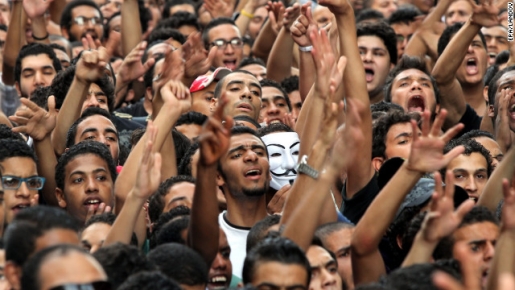
About 20 people stood on top of the embassy wall, while about 2,000 protesters gathered outside. The demonstrators were mainly supporters of Islamist groups or "ultras" youths.
Rafik Farouk, 38, an Egyptian Christian, also took part. "I am here because I am Egyptian and reject anything that insults Islam or anything that sparks division in Egypt," he said.
Washington has a big mission in Egypt, partly because of a huge aid programme that followed Egypt's signing of a peace treaty with Israel in 1979. The United States gives $1.3 billion to Egypt's military each year and offers the nation other aid.
U.S. State Department spokeswoman Victoria Nuland in Washington said the wall was breached and the flag removed.
"We are obviously working with Egyptian security to try to restore order at the embassy and to work with them to try to get the situation under control," she said.
Following the protest, Egypt's Foreign Ministry said it was committed to giving all embassies the necessary protection.
The U.S. embassy had put out a statement earlier on Tuesday condemning "misguided individuals" who hurt the religious feelings of Muslims or followers of other religions.
"We firmly reject the actions by those who abuse the universal right of free speech to hurt the religious beliefs of others," the U.S. embassy said in its statement.
MUSLIM ANGER
Although it was not clear which film prompted the protests, Egypt's prestigious Al-Azhar mosque and seat of Sunni learning condemned on Tuesday a symbolic "trial" of the Prophet organized by a U.S. group including Terry Jones, a Christian pastor who triggered riots in Afghanistan in 2010 by threatening to burn the Koran.
According to the website www.standupamericanow.org, Jones and others were due to take part in an event on Tuesday - the anniversary of the September 11 attacks by al Qaeda on U.S. cities - called "International Judge Mohammad Day" in Florida. It was due to be carried live on the Internet.
Some activists had mentioned Jones in calls for a protest.
Egypt's Coptic Orthodox church also condemned in a statement some Copts living abroad who it said financed "the production of a film insulting Prophet Mohammad", a state website reported. About a 10th of Egypt's 83 million people are Christians.
Protests have become a common feature in Egypt since the uprising that ousted long-time U.S.-ally Mubarak. When U.S. Secretary of State Hillary Clinton visited in July, after Mursi was sworn in, her motorcade was pelted with tomatoes.
Some demonstrators shouted slogans against her and some slogans were against Islamists, reflecting perceptions of some opponents of Islamists who have swept Egypt's presidency and a parliamentary vote that Washington helped Islamists to power.
In Mubarak's era, protests were usually swiftly halted by an often brutally efficient police force.
One slogan scrawled on the walls of the embassy, which is near Tahrir Square where Egyptians revolted against Mubarak, said: "If your freedom of speech has no limits, may you accept our freedom of action."
In another incident prompted by similar religious sentiments last month, a lone man attacked the German embassy with homemade nail bombs and a hammer, cracking glass at the entrance, after he read a report about a protest in Germany where demonstrators paraded caricatures of the Prophet outside a mosque.
No one was injured and there was no serious damage to the embassy during the incident.
In place of the U.S. flag, the protesters tried to raise a black flag with the words "There is no God but God, and Mohammad is his messenger", a Reuters witness said.
Once the U.S. flag was hauled down, some protesters tore it up and showed off pieces to television cameras. Others burned the remains outside the fortress-like embassy building in central Cairo. But some protesters objected to the flag burning.
Many Muslims consider any depiction of the Prophet to be offensive.
"This movie must be banned immediately and an apology should be made," said 19-year-old Ismail Mahmoud, a member of the so-called "ultras" soccer supporters who played a big role in the uprising that brought down Hosni Mubarak last year.
He called on President Mohamed Mursi, Egypt's first civilian president and an Islamist, to take action, without giving details of the film that angered him or other protesters.
About 20 people stood on top of the embassy wall, while about 2,000 protesters gathered outside. The demonstrators were mainly supporters of Islamist groups or "ultras" youths.
Rafik Farouk, 38, an Egyptian Christian, also took part. "I am here because I am Egyptian and reject anything that insults Islam or anything that sparks division in Egypt," he said.
Washington has a big mission in Egypt, partly because of a huge aid programme that followed Egypt's signing of a peace treaty with Israel in 1979. The United States gives $1.3 billion to Egypt's military each year and offers the nation other aid.
U.S. State Department spokeswoman Victoria Nuland in Washington said the wall was breached and the flag removed.
"We are obviously working with Egyptian security to try to restore order at the embassy and to work with them to try to get the situation under control," she said.
Following the protest, Egypt's Foreign Ministry said it was committed to giving all embassies the necessary protection.
The U.S. embassy had put out a statement earlier on Tuesday condemning "misguided individuals" who hurt the religious feelings of Muslims or followers of other religions.
"We firmly reject the actions by those who abuse the universal right of free speech to hurt the religious beliefs of others," the U.S. embassy said in its statement.
MUSLIM ANGER
Although it was not clear which film prompted the protests, Egypt's prestigious Al-Azhar mosque and seat of Sunni learning condemned on Tuesday a symbolic "trial" of the Prophet organized by a U.S. group including Terry Jones, a Christian pastor who triggered riots in Afghanistan in 2010 by threatening to burn the Koran.
According to the website www.standupamericanow.org, Jones and others were due to take part in an event on Tuesday - the anniversary of the September 11 attacks by al Qaeda on U.S. cities - called "International Judge Mohammad Day" in Florida. It was due to be carried live on the Internet.
Some activists had mentioned Jones in calls for a protest.
Egypt's Coptic Orthodox church also condemned in a statement some Copts living abroad who it said financed "the production of a film insulting Prophet Mohammad", a state website reported. About a 10th of Egypt's 83 million people are Christians.
Protests have become a common feature in Egypt since the uprising that ousted long-time U.S.-ally Mubarak. When U.S. Secretary of State Hillary Clinton visited in July, after Mursi was sworn in, her motorcade was pelted with tomatoes.
Some demonstrators shouted slogans against her and some slogans were against Islamists, reflecting perceptions of some opponents of Islamists who have swept Egypt's presidency and a parliamentary vote that Washington helped Islamists to power.
In Mubarak's era, protests were usually swiftly halted by an often brutally efficient police force.
One slogan scrawled on the walls of the embassy, which is near Tahrir Square where Egyptians revolted against Mubarak, said: "If your freedom of speech has no limits, may you accept our freedom of action."
In another incident prompted by similar religious sentiments last month, a lone man attacked the German embassy with homemade nail bombs and a hammer, cracking glass at the entrance, after he read a report about a protest in Germany where demonstrators paraded caricatures of the Prophet outside a mosque.
No one was injured and there was no serious damage to the embassy during the incident.
Romney Blames Attacks on Obama Failed M.E. Policy
President Barack Obama's flawed approach to the Middle East and his failure to assert American leadership throughout the Arab Spring resulted in reduced American influence in the region and set the stage for Tuesday's assaults on U.S. diplomatic posts led by Islamic extremists, Romney senior foreign policy advisor Rich Williamson told The Cable Tuesday night.
The attacks Tuesday on two U.S. diplomatic posts were directly related to "the loss of American leadership and prestige throughout the Middle East because of the Obama administration's failed policies in that region," Williamson said in an extensive interview late Tuesday evening.
The interview took place before it was known that four Americans died in the armed assault on the U.S. consulate in Benghazi, including Ambassador Chris Stevens. President Barack Obama issued a statement this morning confirming reports of Stevens' death and condemning the attacks.
"Right now, the American people have the families of those we lost in our thoughts and prayers. They exemplified America's commitment to freedom, justice, and partnership with nations and people around the globe, and stand in stark contrast to those who callously took their lives," Obama said in the statement. "I have directed my Administration to provide all necessary resources to support the security of our personnel in Libya, and to increase security at our diplomatic posts around the globe."
Secretary of State Hillary Clinton said in a seperate statement Wednesday morning that foreign service officer Sean Smith was also killed. The names of the other two U.S. citizens killed have not yet beeen released, pending notification of their families.
Tuesday night, while the attacks were still ongoing, Williamson said that the governments in Egypt and Libya as well as the Obama administration bear responsibility for the deteriorating security environment that led to the attacks.
"The events in Egypt and Libya show the failure of the Egyptian and Libyan governments to uphold their obligations to keep our diplomatic missions safe and secure and the regard in which the United States is held under President Obama in these two countries," he said. "It's all part of a broader scheme of the president's failure to be an effective leader for U.S. interests in the Middle East."
The Obama administration has failed to develop, much less communicate, a coherent or consistent approach to protecting American interests throughout the Arab Spring, Williamson argued. The events in Egypt and Libya are part of a broader story of what he characterized as the administration's lack of leadership in responding to the Syria crisis, a mishandling of the U.S.-Israel relationship, and a failed engagement policy with Iran, he charged.
Tuesday's attacks are not isolated incidents, but rather are part of an increasing and disturbing trend of anti-American incidents that illustrate the administration's failed policies, according to Williamson.
"The region's in turmoil and this president has not provided effective leadership," Williamson said. "It's a pattern and the pattern sees the U.S. with reduced influence, reduced respect, reduced capacity to project its interests and our security is at risk because of the greatest danger, which is a nuclear breakout by Iran."
Williamson said that the Obama administration had reduced funding for civil society and democracy programs in the Middle East during its first years in office and de-emphasized the Bush administration's "Freedom Agenda." Romney expressed the same sentiment in an interview in Israel in July, where he expressed concern about the path of the Arab Spring.
"The Arab Spring is not appropriately named. It has become a development of more concern and it occurred in part because of the reluctance on the part of various dictators to provide more freedom to their citizens. President [George W.] Bush urged [deposed Egyptian President] Hosni Mubarak to move toward a more democratic posture, but President Obama abandoned the Freedom Agenda and we are seeing today a whirlwind of tumult in the Middle East in part because these nations did not embrace the reforms that could have changed the course of their history, in a more peaceful manner."
In Egypt, the Obama administration stood by Mubarak for too long, thereby alienating the revolutionaries and reducing U.S. capacity to influence the new government, Williamson argued. In Libya, the administration "led from behind" and was dragged into intervening by Britain and France, he said, and then failed to follow up sufficiently to support their transition to a stable democracy.
Regarding Syria, Williamson referred to Romney's call in 2011 for the administration to engage more with the opposition, and said that the administration's limited supported for the opposition now was "a day late and a dollar short" -- insufficient to respond to the brutality of the Syrian regime and the deaths of more than 20,000 Syrian civilians.
Romney supports arming the Syrian opposition directly, and Williamson said the fact that Tuesday's attack in Benghazi was perpetrated by militias that were part of last year's Libyan revolution shouldn't hurt the current push to arm the Syrian opposition now. If the administration had engaged the opposition earlier, he arged, that concern would have been alleviated by now.
"Anyone who has any sophistication knows that we weren't going to get a U.N. Security Council resolution from Russia. You would have to be deaf, dumb, and blind not to know that would be the result. So the administration wasted valuable time and the cost is 20,000 Syrian lives. That's not what I would call effective foreign policy," he said.
Romney has said little about the Arab Spring. His few public statements on the uprisings have focused on his fear that the once-hopeful movement is taking a turn for the worse and that the democratic reformers who started the revolutions are losing out to the Islamic groups that are assuming power.
"We're facing an Arab Spring which is out of control in some respects because the president was not as strong as he needed to be in encouraging our friends to move toward representative forms of government," Romney said last October.
The Romney campaign has previously promised to return to a focus on promoting democracy and put an increased priority on human rights. Williamson said the Obama administration's downplaying of those issues had exacerbated the region's problems.
"Maybe if [Obama] had continued to support democracy and civil society in these countries the way that Bush did, the way they should, maybe the more moderate forces would have better prepared to compete for political power," he said.
He also criticized Obama for not meeting with Benjamin Netanyahu while the Israeli prime minister is visiting the United States for the opening of the U.N. General Assembly. Amid accusations by anonymous Israeli officials that the president had turned down Jerusalem's request for a meeting, the White House said Tuesday that it was a scheduling issue, not a slight, but Williamson is skeptical.
"This president has played more than 100 rounds of golf, more than any president in U.S. history, but he can't find time to meet with the head of state of one of our closest allies facing a national threat. It's mindboggling," he said.
Secretary of State Hillary Clinton issued a statement Tuesday night confirming that one State Department officer had been killed in the armed attack on the U.S. consulate in Benghazi. The battle in Benghazi between armed militants and the Libyan government army in the streets near the consulate raged into the night, and Clinton phoned Libyan National Assembly leader Mohammed Magariefto urge him to commit more resources to protecting Americans.
In a separate incident Tuesday, protests at the U.S. Embassy in Cairo resulted in several protesters breaching the compound's walls and replacing an American flag with the black banner of al Qaeda. There were no injuries in that incident, which the protesters claimed was inspired by an obscure U.S.-made film's depiction of the Prophet Mohammed.
The Romney campaign issued a statement late Tuesday criticizing a press release on the Cairo Embassy websitethat focused on the issue of religious incitement and religious freedom. That press release had been heavily criticized by conservative websites and by the Republican-controlled House Foreign Affairs Committee throughout the day as an "apology" for the assault, although it was issued before the embassy breach.
"I'm outraged by the attacks on American diplomatic missions in Libya and Egypt and by the death of an American consulate worker in Benghazi," Romney said in the statement. "It's disgraceful that the Obama Administration's first response was not to condemn attacks on our diplomatic missions, but to sympathize with those who waged the attacks."
The Romney campaign had initially sent out the statement under embargo, presumably to adhere to its pledge to avoid negative campaigning on the 11th anniversary of the 9/11 attacks, but then allowed reporters to publish it earlier.
The White House distanced itself from the embassy statement late Tuesday, saying it hadn't been cleared with Washington. Clinton's statement also referred to that controversy.
"Some have sought to justify this vicious behavior as a response to inflammatory material posted on the Internet. The United States deplores any intentional effort to denigrate the religious beliefs of others. Our commitment to religious tolerance goes back to the very beginning of our nation. But let me be clear: There is never any justification for violent acts of this kind."
The attacks Tuesday on two U.S. diplomatic posts were directly related to "the loss of American leadership and prestige throughout the Middle East because of the Obama administration's failed policies in that region," Williamson said in an extensive interview late Tuesday evening.
The interview took place before it was known that four Americans died in the armed assault on the U.S. consulate in Benghazi, including Ambassador Chris Stevens. President Barack Obama issued a statement this morning confirming reports of Stevens' death and condemning the attacks.
"Right now, the American people have the families of those we lost in our thoughts and prayers. They exemplified America's commitment to freedom, justice, and partnership with nations and people around the globe, and stand in stark contrast to those who callously took their lives," Obama said in the statement. "I have directed my Administration to provide all necessary resources to support the security of our personnel in Libya, and to increase security at our diplomatic posts around the globe."
Secretary of State Hillary Clinton said in a seperate statement Wednesday morning that foreign service officer Sean Smith was also killed. The names of the other two U.S. citizens killed have not yet beeen released, pending notification of their families.
Tuesday night, while the attacks were still ongoing, Williamson said that the governments in Egypt and Libya as well as the Obama administration bear responsibility for the deteriorating security environment that led to the attacks.
"The events in Egypt and Libya show the failure of the Egyptian and Libyan governments to uphold their obligations to keep our diplomatic missions safe and secure and the regard in which the United States is held under President Obama in these two countries," he said. "It's all part of a broader scheme of the president's failure to be an effective leader for U.S. interests in the Middle East."
The Obama administration has failed to develop, much less communicate, a coherent or consistent approach to protecting American interests throughout the Arab Spring, Williamson argued. The events in Egypt and Libya are part of a broader story of what he characterized as the administration's lack of leadership in responding to the Syria crisis, a mishandling of the U.S.-Israel relationship, and a failed engagement policy with Iran, he charged.
Tuesday's attacks are not isolated incidents, but rather are part of an increasing and disturbing trend of anti-American incidents that illustrate the administration's failed policies, according to Williamson.
"The region's in turmoil and this president has not provided effective leadership," Williamson said. "It's a pattern and the pattern sees the U.S. with reduced influence, reduced respect, reduced capacity to project its interests and our security is at risk because of the greatest danger, which is a nuclear breakout by Iran."
Williamson said that the Obama administration had reduced funding for civil society and democracy programs in the Middle East during its first years in office and de-emphasized the Bush administration's "Freedom Agenda." Romney expressed the same sentiment in an interview in Israel in July, where he expressed concern about the path of the Arab Spring.
"The Arab Spring is not appropriately named. It has become a development of more concern and it occurred in part because of the reluctance on the part of various dictators to provide more freedom to their citizens. President [George W.] Bush urged [deposed Egyptian President] Hosni Mubarak to move toward a more democratic posture, but President Obama abandoned the Freedom Agenda and we are seeing today a whirlwind of tumult in the Middle East in part because these nations did not embrace the reforms that could have changed the course of their history, in a more peaceful manner."
In Egypt, the Obama administration stood by Mubarak for too long, thereby alienating the revolutionaries and reducing U.S. capacity to influence the new government, Williamson argued. In Libya, the administration "led from behind" and was dragged into intervening by Britain and France, he said, and then failed to follow up sufficiently to support their transition to a stable democracy.
Regarding Syria, Williamson referred to Romney's call in 2011 for the administration to engage more with the opposition, and said that the administration's limited supported for the opposition now was "a day late and a dollar short" -- insufficient to respond to the brutality of the Syrian regime and the deaths of more than 20,000 Syrian civilians.
Romney supports arming the Syrian opposition directly, and Williamson said the fact that Tuesday's attack in Benghazi was perpetrated by militias that were part of last year's Libyan revolution shouldn't hurt the current push to arm the Syrian opposition now. If the administration had engaged the opposition earlier, he arged, that concern would have been alleviated by now.
"Anyone who has any sophistication knows that we weren't going to get a U.N. Security Council resolution from Russia. You would have to be deaf, dumb, and blind not to know that would be the result. So the administration wasted valuable time and the cost is 20,000 Syrian lives. That's not what I would call effective foreign policy," he said.
Romney has said little about the Arab Spring. His few public statements on the uprisings have focused on his fear that the once-hopeful movement is taking a turn for the worse and that the democratic reformers who started the revolutions are losing out to the Islamic groups that are assuming power.
"We're facing an Arab Spring which is out of control in some respects because the president was not as strong as he needed to be in encouraging our friends to move toward representative forms of government," Romney said last October.
The Romney campaign has previously promised to return to a focus on promoting democracy and put an increased priority on human rights. Williamson said the Obama administration's downplaying of those issues had exacerbated the region's problems.
"Maybe if [Obama] had continued to support democracy and civil society in these countries the way that Bush did, the way they should, maybe the more moderate forces would have better prepared to compete for political power," he said.
He also criticized Obama for not meeting with Benjamin Netanyahu while the Israeli prime minister is visiting the United States for the opening of the U.N. General Assembly. Amid accusations by anonymous Israeli officials that the president had turned down Jerusalem's request for a meeting, the White House said Tuesday that it was a scheduling issue, not a slight, but Williamson is skeptical.
"This president has played more than 100 rounds of golf, more than any president in U.S. history, but he can't find time to meet with the head of state of one of our closest allies facing a national threat. It's mindboggling," he said.
Secretary of State Hillary Clinton issued a statement Tuesday night confirming that one State Department officer had been killed in the armed attack on the U.S. consulate in Benghazi. The battle in Benghazi between armed militants and the Libyan government army in the streets near the consulate raged into the night, and Clinton phoned Libyan National Assembly leader Mohammed Magariefto urge him to commit more resources to protecting Americans.
In a separate incident Tuesday, protests at the U.S. Embassy in Cairo resulted in several protesters breaching the compound's walls and replacing an American flag with the black banner of al Qaeda. There were no injuries in that incident, which the protesters claimed was inspired by an obscure U.S.-made film's depiction of the Prophet Mohammed.
The Romney campaign issued a statement late Tuesday criticizing a press release on the Cairo Embassy websitethat focused on the issue of religious incitement and religious freedom. That press release had been heavily criticized by conservative websites and by the Republican-controlled House Foreign Affairs Committee throughout the day as an "apology" for the assault, although it was issued before the embassy breach.
"I'm outraged by the attacks on American diplomatic missions in Libya and Egypt and by the death of an American consulate worker in Benghazi," Romney said in the statement. "It's disgraceful that the Obama Administration's first response was not to condemn attacks on our diplomatic missions, but to sympathize with those who waged the attacks."
The Romney campaign had initially sent out the statement under embargo, presumably to adhere to its pledge to avoid negative campaigning on the 11th anniversary of the 9/11 attacks, but then allowed reporters to publish it earlier.
The White House distanced itself from the embassy statement late Tuesday, saying it hadn't been cleared with Washington. Clinton's statement also referred to that controversy.
"Some have sought to justify this vicious behavior as a response to inflammatory material posted on the Internet. The United States deplores any intentional effort to denigrate the religious beliefs of others. Our commitment to religious tolerance goes back to the very beginning of our nation. But let me be clear: There is never any justification for violent acts of this kind."
U.S. Ambassador to Libya Killed
BENGHAZI, Libya (Reuters) - The U.S. ambassador to Libya and three embassy staff were killed in an attack on the Benghazi consulate and a safe house refuge, stormed by Islamist gunmen blaming America for a film they said insulted the Prophet Mohammad.
Gunmen attacked and set fire to the U.S. consulate in the eastern city of Benghazi, the cradle of last year's U.S.-backed uprising against Muammar Gaddafi's 42-year rule. Another assault was mounted on the U.S. embassy in Cairo.
U.S. President Barack Obama branded it an "outrageous attack" and ordered increased security at U.S. diplomatic posts worldwide.
Violence also threatened to spread to other Muslim countries. By nightfall on Wednesday, 24 hours after the attacks in Egypt and Libya, police were firing teargas at angry demonstrators outside the U.S. embassy in Tunisia.
The attacks could alter U.S. attitudes towards the wave of revolutions across the Arab world, which toppled secularist authoritarian leaders in Egypt, Libya and Tunisia, bringing Islamists to power.
The violence could influence a close-fought U.S. presidential election, in which Obama's challenger Mitt Romney has accused him of not defending U.S. interests robustly enough.
Romney issued a statement criticizing Obama's initial response; the president's campaign responded by accusing him of scoring political points at a time of national tragedy.
It was not immediately clear precisely how or where California-born ambassador Christopher Stevens was killed during the assault. Stevens was a key player when the Obama administration supported the anti-Gaddafi insurgency.
U.S. consular staff were rushed to a safe house after the initial attack, Libya's Deputy Interior Minister Wanis Al-Sharif said. An evacuation plane with U.S. commando units then arrived from Tripoli to evacuate them from the house.
"It was supposed to be a secret place and we were surprised the armed groups knew about it. There was shooting," Sharif said. Two U.S. personnel were killed there, he said. Two other people were killed at the main consular building and between 12 and 17 wounded.
The attack raised other questions about the future U.S. diplomatic presence in Libya, relations between Washington and Tripoli and the unstable security situation after Gaddafi.
The amateurish film portrayed Mohammad as a fool, a philanderer and a religious fake. In one clip posted on YouTube, Mohammad was shown in an apparent sex act with a woman.
For many Muslims it is blasphemous to depict the Prophet. The incident had echoes of the publication in a Danish newspaper of cartoons that touched off riots in the Middle East, Africa and Asia in 2006 in which at least 50 people died.
Images of ambassador Stevens purportedly taken after he was killed circulated on the Internet. One image showed him being carried, with a white shirt pulled up and a cut on his forehead.
Across the Muslim world, leaders will be concerned about preventing the spread of violence. Afghan President Hamid Karzai condemned the film in a statement, calling its making a "devilish act" and saying he was certain those involved in its production represented a very small minority.
The statement from Karzai - who is defended by 113,000 NATO-led troops including nearly 75,000 Americans - made no mention of the violence against U.S. diplomats.
Afghanistan shut down the YouTube site so Afghans would not be able to see the film. The U.S. embassy in Kabul appealed to Afghan leaders for help "maintaining calm".
In Egypt, Prime Minister Hisham Kandil condemned violence while calling on Washington to act against the film's makers.
"What happened at the U.S. embassy in Cairo is regrettable and rejected by all Egyptian people and cannot be justified, especially if we consider that the people that produced this low film have no relation to the (U.S.) government," he said.
"We ask the American government to take a firm position towards this film's producers within the framework of international charters that criminalise acts that stir strife on the basis of race, color or religion."
"SMALL AND SAVAGE GROUP"
U.S. Secretary of State Hillary Clinton said the attack was the work of a "small and savage group".
Accounts of the consulate attack described chaos and bloodshed, with Libyan security over-run and retreating.
"We started shooting at them, and then some other people also threw hand-made bombs over the fences and started the fires in the buildings," said 17-year-old Hamam, who took part in the assault and refused to give his last name.
"There was some Libyan security for the embassy outside but when the hand-made bombs went off they ran off and left," said Hamam, who said he saw an American die in front of him in the mayhem that ensued. He said the body was covered in ash.
One Libyan security official blamed the attack on Ansar al-Sharia, an al Qaeda-style Sunni Islamist group that has been active in Benghazi. Sharif, the deputy interior minister, said leaders of the group had denied responsibility: "There is no specific side to blame."
Witnesses said the mob included tribesmen, militia and other gunmen. Ansar al-Sharia cars arrived at the start of the protest but left once fighting started, Hamam said. "The protesters were running around the compound just looking for Americans, they just wanted to find an American so they could catch one."
On Wednesday, the sprawling, leafy compound in Benghazi stood empty, with passers-by freely walking in to take a look at the damage. The heat of the fires could still be felt.
Walls were charred and a small fire burned inside one of the buildings with glass from shattered chandeliers on the floor. A small group of men was trying to extinguish the flames and three security men briefly surveyed the scene.
Chairs, a table and food lay alongside empty bullet shells. Some blood stains could also be seen in front of one of the buildings. Three cars were burnt out.
UNPREPARED FOR INTENSE ATTACK
"The Libyan security forces came under heavy fire and we were not prepared for the intensity of the attack," said Abdel-Monem Al-Hurr, spokesman for Libya's Supreme Security Committee.
U.S. ambassadors in such volatile countries as Libya are accompanied by tight security, usually travelling in well-protected convoys. Diplomatic missions are normally protected by Marines or other special forces.
Stevens grew up in California, graduated from Berkeley and worked in North Africa as a Peace Corps volunteer. He taught English in Morocco before joining the foreign service where he worked in the Middle East and North Africa.
Tributes poured in to honour Stevens, who said in a video posted on the embassy website of his involvement in the revolution: "I was thrilled to watch the Libyan people stand up and demand their rights."
Libya's interim government has struggled to impose its authority on a myriad of armed groups that refused to lay down their weapons and often take the law into their own hands.
Security experts say the area around Benghazi is host to a number of Islamist militant groups who oppose any Western presence in Muslim countries.
The worst-case scenario for Western governments is that a spate of recent attacks could be the start of an Iraq-style insurgency by Islamist militants. That could have an impact on oil exports as the energy sector depends on foreign workers.
However, security analysts say an insurgency is unlikely to gain the kind of traction it had in Iraq, mainly because Western states have no military presence on the ground in Libya.
Libyan Deputy Prime Minister Mustafa Abu Shagour condemned the killing of the U.S. diplomats as a cowardly act. The head of Libya's national assembly vowed to bring the killers to justice.
U.S. PASTOR
The precise provenance of the film was the subject of some debate. The Wall Street Journal quoted a man who described himself as an Israeli-American property developer and said he produced the film with funds raised from the Jewish community.
Egypt's Coptic Orthodox Church condemned Copts living abroad who it said financed had financed "the production of a film insulting the Prophet Mohammad". About a 10th of Egypt's 83 million people are Christian.
Florida pastor Terry Jones, who inflamed anger in the Muslim world in 2010 with plans to burn the Koran, said he planned to show excerpts of the film to mark the anniversary of the September 11, 2001, attacks on the World Trade Center and the Pentagon.
Many Muslims consider any depiction of the Prophet as offensive and any depiction of him can cause furious protests in the Islamic world as well as among Muslims in Europe.
In neighbouring Egypt, demonstrators tore down an American flag and burned it during Tuesday's protest against the film. Some tried to raise a black flag with the words "There is no God but God, and Mohammad is his messenger".
The crowd of around 2,000 protesters in Cairo protesting against the film was a mixture of Islamists and teenage soccer fans known for fighting police and who played a part in the revolt that toppled Egypt's leader Hosni Mubarak last year.
Gunmen attacked and set fire to the U.S. consulate in the eastern city of Benghazi, the cradle of last year's U.S.-backed uprising against Muammar Gaddafi's 42-year rule. Another assault was mounted on the U.S. embassy in Cairo.
U.S. President Barack Obama branded it an "outrageous attack" and ordered increased security at U.S. diplomatic posts worldwide.
Violence also threatened to spread to other Muslim countries. By nightfall on Wednesday, 24 hours after the attacks in Egypt and Libya, police were firing teargas at angry demonstrators outside the U.S. embassy in Tunisia.
The attacks could alter U.S. attitudes towards the wave of revolutions across the Arab world, which toppled secularist authoritarian leaders in Egypt, Libya and Tunisia, bringing Islamists to power.
The violence could influence a close-fought U.S. presidential election, in which Obama's challenger Mitt Romney has accused him of not defending U.S. interests robustly enough.
Romney issued a statement criticizing Obama's initial response; the president's campaign responded by accusing him of scoring political points at a time of national tragedy.
It was not immediately clear precisely how or where California-born ambassador Christopher Stevens was killed during the assault. Stevens was a key player when the Obama administration supported the anti-Gaddafi insurgency.
U.S. consular staff were rushed to a safe house after the initial attack, Libya's Deputy Interior Minister Wanis Al-Sharif said. An evacuation plane with U.S. commando units then arrived from Tripoli to evacuate them from the house.
"It was supposed to be a secret place and we were surprised the armed groups knew about it. There was shooting," Sharif said. Two U.S. personnel were killed there, he said. Two other people were killed at the main consular building and between 12 and 17 wounded.
The attack raised other questions about the future U.S. diplomatic presence in Libya, relations between Washington and Tripoli and the unstable security situation after Gaddafi.
The amateurish film portrayed Mohammad as a fool, a philanderer and a religious fake. In one clip posted on YouTube, Mohammad was shown in an apparent sex act with a woman.
For many Muslims it is blasphemous to depict the Prophet. The incident had echoes of the publication in a Danish newspaper of cartoons that touched off riots in the Middle East, Africa and Asia in 2006 in which at least 50 people died.
Images of ambassador Stevens purportedly taken after he was killed circulated on the Internet. One image showed him being carried, with a white shirt pulled up and a cut on his forehead.
Across the Muslim world, leaders will be concerned about preventing the spread of violence. Afghan President Hamid Karzai condemned the film in a statement, calling its making a "devilish act" and saying he was certain those involved in its production represented a very small minority.
The statement from Karzai - who is defended by 113,000 NATO-led troops including nearly 75,000 Americans - made no mention of the violence against U.S. diplomats.
Afghanistan shut down the YouTube site so Afghans would not be able to see the film. The U.S. embassy in Kabul appealed to Afghan leaders for help "maintaining calm".
In Egypt, Prime Minister Hisham Kandil condemned violence while calling on Washington to act against the film's makers.
"What happened at the U.S. embassy in Cairo is regrettable and rejected by all Egyptian people and cannot be justified, especially if we consider that the people that produced this low film have no relation to the (U.S.) government," he said.
"We ask the American government to take a firm position towards this film's producers within the framework of international charters that criminalise acts that stir strife on the basis of race, color or religion."
"SMALL AND SAVAGE GROUP"
U.S. Secretary of State Hillary Clinton said the attack was the work of a "small and savage group".
Accounts of the consulate attack described chaos and bloodshed, with Libyan security over-run and retreating.
"We started shooting at them, and then some other people also threw hand-made bombs over the fences and started the fires in the buildings," said 17-year-old Hamam, who took part in the assault and refused to give his last name.
"There was some Libyan security for the embassy outside but when the hand-made bombs went off they ran off and left," said Hamam, who said he saw an American die in front of him in the mayhem that ensued. He said the body was covered in ash.
One Libyan security official blamed the attack on Ansar al-Sharia, an al Qaeda-style Sunni Islamist group that has been active in Benghazi. Sharif, the deputy interior minister, said leaders of the group had denied responsibility: "There is no specific side to blame."
Witnesses said the mob included tribesmen, militia and other gunmen. Ansar al-Sharia cars arrived at the start of the protest but left once fighting started, Hamam said. "The protesters were running around the compound just looking for Americans, they just wanted to find an American so they could catch one."
On Wednesday, the sprawling, leafy compound in Benghazi stood empty, with passers-by freely walking in to take a look at the damage. The heat of the fires could still be felt.
Walls were charred and a small fire burned inside one of the buildings with glass from shattered chandeliers on the floor. A small group of men was trying to extinguish the flames and three security men briefly surveyed the scene.
Chairs, a table and food lay alongside empty bullet shells. Some blood stains could also be seen in front of one of the buildings. Three cars were burnt out.
UNPREPARED FOR INTENSE ATTACK
"The Libyan security forces came under heavy fire and we were not prepared for the intensity of the attack," said Abdel-Monem Al-Hurr, spokesman for Libya's Supreme Security Committee.
U.S. ambassadors in such volatile countries as Libya are accompanied by tight security, usually travelling in well-protected convoys. Diplomatic missions are normally protected by Marines or other special forces.
Stevens grew up in California, graduated from Berkeley and worked in North Africa as a Peace Corps volunteer. He taught English in Morocco before joining the foreign service where he worked in the Middle East and North Africa.
Tributes poured in to honour Stevens, who said in a video posted on the embassy website of his involvement in the revolution: "I was thrilled to watch the Libyan people stand up and demand their rights."
Libya's interim government has struggled to impose its authority on a myriad of armed groups that refused to lay down their weapons and often take the law into their own hands.
Security experts say the area around Benghazi is host to a number of Islamist militant groups who oppose any Western presence in Muslim countries.
The worst-case scenario for Western governments is that a spate of recent attacks could be the start of an Iraq-style insurgency by Islamist militants. That could have an impact on oil exports as the energy sector depends on foreign workers.
However, security analysts say an insurgency is unlikely to gain the kind of traction it had in Iraq, mainly because Western states have no military presence on the ground in Libya.
Libyan Deputy Prime Minister Mustafa Abu Shagour condemned the killing of the U.S. diplomats as a cowardly act. The head of Libya's national assembly vowed to bring the killers to justice.
U.S. PASTOR
The precise provenance of the film was the subject of some debate. The Wall Street Journal quoted a man who described himself as an Israeli-American property developer and said he produced the film with funds raised from the Jewish community.
Egypt's Coptic Orthodox Church condemned Copts living abroad who it said financed had financed "the production of a film insulting the Prophet Mohammad". About a 10th of Egypt's 83 million people are Christian.
Florida pastor Terry Jones, who inflamed anger in the Muslim world in 2010 with plans to burn the Koran, said he planned to show excerpts of the film to mark the anniversary of the September 11, 2001, attacks on the World Trade Center and the Pentagon.
Many Muslims consider any depiction of the Prophet as offensive and any depiction of him can cause furious protests in the Islamic world as well as among Muslims in Europe.
In neighbouring Egypt, demonstrators tore down an American flag and burned it during Tuesday's protest against the film. Some tried to raise a black flag with the words "There is no God but God, and Mohammad is his messenger".
The crowd of around 2,000 protesters in Cairo protesting against the film was a mixture of Islamists and teenage soccer fans known for fighting police and who played a part in the revolt that toppled Egypt's leader Hosni Mubarak last year.
Monday, September 10, 2012
Obama-Romney Battle Plan
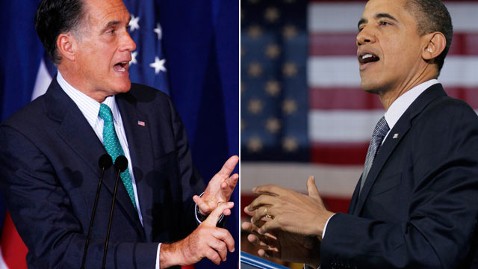
WASHINGTON — Two months before the election, President Obama and Mitt Romney agree on one thing: the collection of states where the race will be decided.
As Mr. Obama opened a two-day bus tour of Florida on Saturday, Mr. Romney set his sights on trying to put Virginia back in the Republican column. Television advertisements from both sides were filling the airwaves in those two vital states and six others from Nevada to New Hampshire, while outside groups supporting the candidates tested for traction elsewhere.
With the political conventions over, the battle to determine whether Mr. Obama will win re-election or Mr. Romney will become the 45th president of the United States is fully engaged. The race has been deadlocked, according to many measures, and each side was predicting that it would see no lift from its convention. That seems to have been true in Mr. Romney’s case, while Mr. Obama’s aides were hopeful that new polls due out this week would prove them wrong.
But for now, Mr. Obama may hold a slight edge because the race remains essentially tied, which means voter disappointment has not turned into a resounding call for his defeat despite the challenging economic climate.
“Now, our friends at the other convention were more than happy to talk about what was wrong with America but not talking about what they’d do to make it right,” he told supporters on Saturday in Seminole, Fla., only a few miles from the site of the Republican convention.
Mr. Romney, speaking to veterans in Virginia Beach on Saturday, referred to the disappointing jobs report released a day earlier. “This week has not been a lot of good news,” he said. “But I’m here to tell you things are about to get a lot better.”
Presidential races take place on many levels, some easily visible, others more shrouded. As the clock runs down, both sides make tough decisions about which states to compete in and which to abandon. Advertising themes get tested and changed as strategists hunt frantically for the right appeals, and get-out-the-vote teams target wavering voters with tailored messages.
Behind closed doors, the candidates are preparing for the most crucial remaining events, the debates. And in courtrooms, lawyers are battling over who is on the ballot and who can vote.
Unforeseen events, economic or otherwise, could also still have a significant impact on the outcome of the race, much as the financial crisis did four years ago this fall.
Here are a few things to watch in the 58 days ahead:
Electoral Map
The roster of battleground states has not changed much, but one that Republicans had dearly hoped to put in play appears to have broken decisively: Pennsylvania. Mr. Romney spent time and money in the state, which voted Democratic in the last five presidential elections, but Republican strategists now say it seems out of reach.
Wisconsin, which has 10 electoral votes and is home to Mr. Romney’s running mate, Representative Paul D. Ryan, may offer Mr. Romney the best chance to expand his options. Republicans have not won there since 1984, despite fighting hard in almost every election. Wisconsin was not one of the eight states where the Romney campaign placed its first flight of general election ads late last week, but one party strategist said, “Keep watching.”
By this point, Mr. Romney had hoped to put at least a few more states into safer Republican territory. North Carolina, which Mr. Obama narrowly carried in 2008, is at the top of the list. But the state is still competitive enough that Mr. Romney and Republican groups feel compelled to keep advertising there, complicating their hopes of making Wisconsin and Michigan more competitive.
Some Democratic strategists say that winning Florida remains a reach for Mr. Obama, but his visit this weekend suggests that the White House has not given up and at a minimum will make Mr. Romney spend a lot more time and money in the state.
And Democrats say they are happily surprised by polls showing Mr. Obama running strong in Ohio, whose working-class voters have been exposed to heavy advertising portraying Mr. Romney as a job killer.
Debates
In a race that has featured little significant movement between the candidates, the three presidential debates this fall are taking on even greater importance.
For weeks, Mr. Obama and Mr. Romney have been preparing for their encounters on Oct. 3 in Denver; Oct. 16 in Hempstead, N.Y.; and Oct. 22 in Boca Raton, Fla.
With each passing debate, millions of Americans will probably cast their ballot, given the rise of early voting and balloting by mail in many Western states.
The president, whose advisers have known him to procrastinate before preparing for big moments, has been studying his rival’s positions and statements from the primary campaign. Senator John Kerry of Massachusetts will play the role of Mr. Romney in debate practice.
Mr. Romney may be a little further ahead in his preparations. His aides began putting blocks of time in his schedule shortly after he emerged from the primaries in the spring. He started formal practice sessions last week at a remote estate in Vermont, where Senator Rob Portman of Ohio played the role of Mr. Obama.
Tens of millions of people will watch the debates — four years ago, viewership ranged from 52 million to 63 million — almost certainly a much bigger television audience than the totals for the conventions.
Ads and Messages
After spending the spring and summer trying to turn Mr. Romney’s success as a business executive from a positive to a negative, characterizing him as uncaring about the middle class, Mr. Obama’s aides and allies intend to graft their portrayal onto specific policy areas.
They suggested that one attack, building on the president’s argument that Mr. Romney intends essentially to privatize Medicare, would contend that the Republican ticket’s next target would be another immensely popular program, Social Security.
In the past, Mr. Ryan has supported adding personal investment accounts to Social Security, a fundamental shift in the program that most Democrats say would leave the elderly vulnerable to unpredictable swings in the financial markets.
Having intently studied the 2004 race, when President George W. Bush won re-election after defining Mr. Kerry on his terms during the spring and summer, Mr. Obama’s advisers are convinced that the most crucial advertising period is already over, and that they accomplished what they had to by introducing Mr. Romney to the nation as a rapacious capitalist.
Mr. Romney’s team is betting that early ad spending is largely wasted, and that a final and furious campaign will move the race in his direction when it most counts. The campaign’s belief is that continued disappointing economic data will feed its slogan, “Obama Isn’t Working,” and give a new edge to the question that Mr. Romney is posing at every opportunity: “Are you better off than you were four years ago?”
On Saturday, the Democratic “super PAC” Priorities USA Action released an advertising campaign highlighting a study by the nonpartisan Tax Policy Center that estimated that Mr. Romney’s plans would raise taxes on the middle class while cutting them for the wealthy. The Romney campaign has said the finding is based on flawed assumptions.
Like the Democrats, Republicans say they intend to link their broader economic message to specific policies: cutting spending and reducing the national debt, working to ensure the solvency of Medicare for future generations, cutting expensive regulations and avoiding tax increases.
Over the next two months, residents of swing states will see ads on the issues that matter most to them: foreclosures in Nevada, Medicare in Florida, military spending in North Carolina and Virginia, and, especially from the Republicans, the federal budget deficit just about everywhere.
Mr. Obama and his supporters are telegraphing a new campaign intended to paint their opponents as pessimists betting against America, as Vice President Joseph R. Biden Jr. put it on Thursday night.
“They are extremely pessimistic because they want to tamp down people’s enthusiasm about the future,” said Representative James E. Clyburn, Democrat of South Carolina.
But if Democrats go too far in that direction, Republicans will be ready to pounce and call them out of touch with reality.
Ballots
There is one factor in the campaign that has yet to get much attention but could influence the outcome: third-party candidacies in many states, most notably that of former Gov. Gary Johnson of New Mexico, the Libertarian Party’s presidential nominee.
Mr. Johnson, who argued for free markets, fewer wars and the legalization of marijuana during his brief run for the 2012 Republican nomination, hardly shows up in polls. But he is on the ballot in more than three dozen states and is trying for more.
Mr. Johnson shares some of the cross-party appeal of Representative Ron Paul of Texas, who complimented him publicly last week. Advisers said Mr. Johnson’s potential for cutting into Mr. Romney’s support was greatest in Florida, where Mr. Romney is basically tied with Mr. Obama, but could also have an impact in Arizona, Nevada, New Hampshire and North Carolina.
They said Mr. Johnson’s potential to eat into Mr. Obama’s support was greatest in Colorado, Iowa, New Mexico, Oregon and Wisconsin.
Republican officials have already tried to challenge Mr. Johnson’s place on the ballot or are trying to in states including Iowa, Michigan, Ohio, Pennsylvania and Virginia. Many of the challenges have failed — courts recently rejected efforts to throw him off the ballot in Virginia — and Roger Stone, a Republican Party veteran who is advising Mr. Johnson, said he was optimistic that Mr. Johnson would qualify in all 50 states.
The Republican Party of Virginia also failed in a bid last week to remove former Representative Virgil Goode from the presidential ballot there. He is the nominee for the Constitution Party and could draw disaffected Tea Party adherents away from the Republican Party.
Money
For the first time since the advent of public financing after Watergate, neither major-party candidate will accept matching funds, forcing both to keep raising money right up until Election Day. That means Mr. Obama and Mr. Romney have to build substantial room into their schedules for fund-raising, including more time than they would like traveling to places that are not competitive politically but are flush with wealthy donors, starting with New York and Los Angeles.
At the end of July, when the last official figures were available, Mr. Romney and the related Republican Party presidential committees had about $186 million on hand, compared with about $124 million for Mr. Obama and the Democrats. On Saturday, Mr. Obama wrote in a Twitter message that his convention had prompted 700,000 new donations to his campaign.
Still, Mr. Obama’s advisers have expressed concerns that the Romney war chest, combined with well-financed Republican super PACs, will swamp them and Priorities USA Action when it comes to advertising. But much of the Obama campaign’s money is going into its sophisticated voter-identification and get-out-the-vote operation, which is fully up and running, while Mr. Romney rushes to build his own.
“We have a strategic advantage on the ground — the ability to turn our voters out and talk to persuadable voters — and that’s what we’re going to do,” said Jim Messina, the Obama campaign manager.
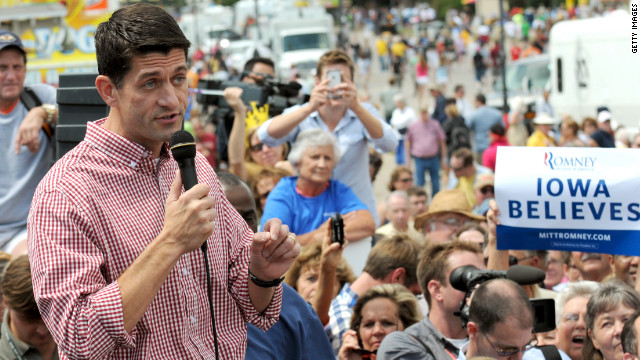
Subscribe to:
Posts (Atom)